10 Steps to Create a Butterfly Garden in Central America
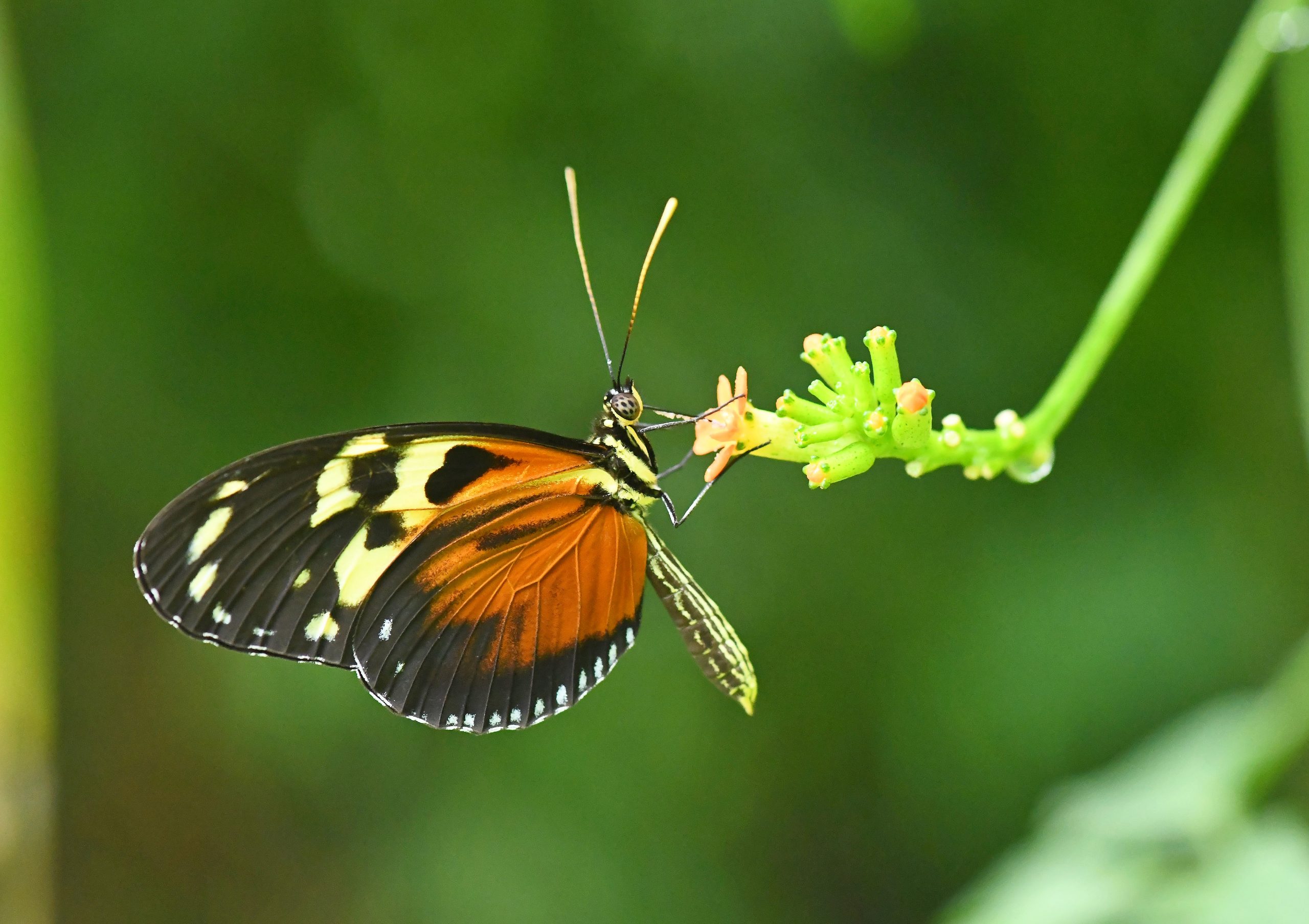
How to attract, feed, and protect butterflies and other pollinators
Creating a butterfly garden is a simple and beautiful way to contribute to biodiversity conservation in Central America. With just a few key actions, you can turn any space into a refuge for butterflies, bees, and other essential pollinators.
1. Choose the right location
The ideal site should receive at least 6 hours of direct sunlight, as butterflies need warmth to activate and fly. It’s also important to select an area protected from the wind: shrubs, living fences, or natural barriers help create a stable microclimate where butterflies can feed comfortably.
2. Prepare the soil well
Before planting, loosen the soil so roots can grow without obstacles. Mix in compost or organic matter to improve fertility and moisture retention. During the first weeks, water regularly to help the plants adapt and develop strong roots in their new environment.
3. Organize your plants strategically
Planting several individuals of the same species together makes the garden more attractive and visible to butterflies. Be sure to include both nectar plants (for adult feeding) and host plants (which serve as food for caterpillars), as both are essential for supporting full life cycles.
4. Provide additional food
Many tropical butterfly species are attracted to very ripe fruits such as bananas or pineapple. This complementary resource enhances the nectar from flowers and may attract species that would not visit the garden relying only on vegetation.
5. Add special stations
Include a “puddling station”—a shallow plate with moist sand where butterflies can obtain essential minerals and hydration. Add a flat stone as well so they can warm up in the sun; this helps them regulate their temperature and stay active.
6. Plant native, nectar-rich flowers
Native plants are not only better adapted to the climate and soil conditions of Central America, but they are also more familiar to local pollinators, which evolved alongside them. This means they are typically more visited, more effective at attracting butterflies and other beneficial insects, and they support higher biodiversity than exotic ornamentals. Excellent native options in Central America include:
-
Caesalpinia pulcherrima – Barbados flower, peacock flower
-
Lippia alba – bushy matgrass, wild sage
-
Salvia lasiocephala – red wild sage
-
Lantana camara – lantana
-
Tournefortia hirsutissima – blue vine, cow’s tongue
-
Stachys costaricensis – white nettle
-
Stachytarpheta cayennensis – blue porterweed
-
Asclepias curassavica – bloodflower, tropical milkweed
-
Tithonia diversifolia – Mexican sunflower
7. Include host plants for caterpillars
For butterflies to reproduce, they need plants on which to lay their eggs and where caterpillars can feed. Some of the most important host plants in Central America include:
-
Aristolochia spp. – pipevines
-
Passiflora spp. – passionflowers
-
Examples: Passiflora biflora, P. quadrangularis
-
-
Citrus spp. – lemon, orange, grapefruit, mandarin
-
Asclepias spp. – milkweeds
Without these plants, butterflies may visit the garden, but they won’t be able to complete their life cycle there.
8. Avoid pesticides
Pesticides directly harm caterpillars, bees, and adult butterflies. Even small amounts can be lethal. Choose ecological solutions or manage pests manually to keep your garden healthy and safe for all pollinators.
9. Keep the garden alive year-round
Select species that bloom at different times of the year so there is always food available. Leaving some areas with dry leaves or organic matter also helps create shelter for native bees, lacewings, beneficial beetles, and other biodiversity allies.
10. Observe and report your butterflies on eButterfly
Recording your observations in eButterfly allows your data to contribute to scientific research and butterfly conservation across the region. It also helps you learn to identify species and track changes in your garden over time.
With these steps, any space can become a small oasis for butterflies!